Vehicle Safety History
1869 - present
1869 - 1899
1869 - First recorded vehicle fatality - Ireland
1891 - First recorded gas powered vehicle fatality - US, Ohio
1899 - First recorded electric vehicle fatality - US, NY
1920s - 1940s First advances in auto safety
Hydraulic brakes, safety glass, smooth interior components, padded dash
1934 – GM performs first barrier crash test
1949 – SAAB builds vehicles with “safety cage”
1950s - advancement in "modern" auto safety
Volvo patents 3-point seat belt
AMC offers headrests for front seats
Cadillac develops “crash avoidance system”
GM develops crash test dummies
Airbag systems begin development
1960s - advances in more modern auto safety
First child restraint systems begin to get used for child safety
1964 – first rear facing child restraint developed in Sweden
1966 – first federal laws passed for vehicle safety
1966 - Seatbelts required in front seats of all new vehicles
Crash test dummies – anthropomorphic test devices (ATD) advanced
1968 – Ford and GM develop child restraint systems
Eliminated protruding controls/knobs
Padding added dash and interior surfaces
Mounting points for shoulder belts added
1970s
First commercial airbags available (optional equipment) – GM vehicles
NHTSA starts New Car Assessment Program (aka: NCAP) for frontal crashes
Precursor to Star Ratings currently used
3-point belts required in front seating positions
1979 - Tennessee passes first child restraint use law
First FMVSS213 established requiring belts to secure child restraints to the vehicle
Fuel crisis hits the world
1980s
New York passes first seat belt law
All states pass belt laws except one
– Est ~10,000 lives saved
FMVSS dynamic testing standard developed for child restraint systems
1985 - Child restraint laws passed in all US states requiring use
Central high mounted 3rd brake light become standard
Anti-lock brake systems develop
Airbags installed as standard equipment
1990s
Volvo introduces side airbags
Development of LATCH for securing child restraint systems
Laws passed requiring kids to ride in rear seats
Insurance Institute for Highway Safety (IIHS) begins frontal crash test program
NHTSA updates NCAP to star rating system
NHTSA begins side NCAP
Driver and right front passenger airbags become standard on passenger cars
Anti-lock brake systems enter mainstream market
2000 and beyond
NHTSA begins rollover risk tests
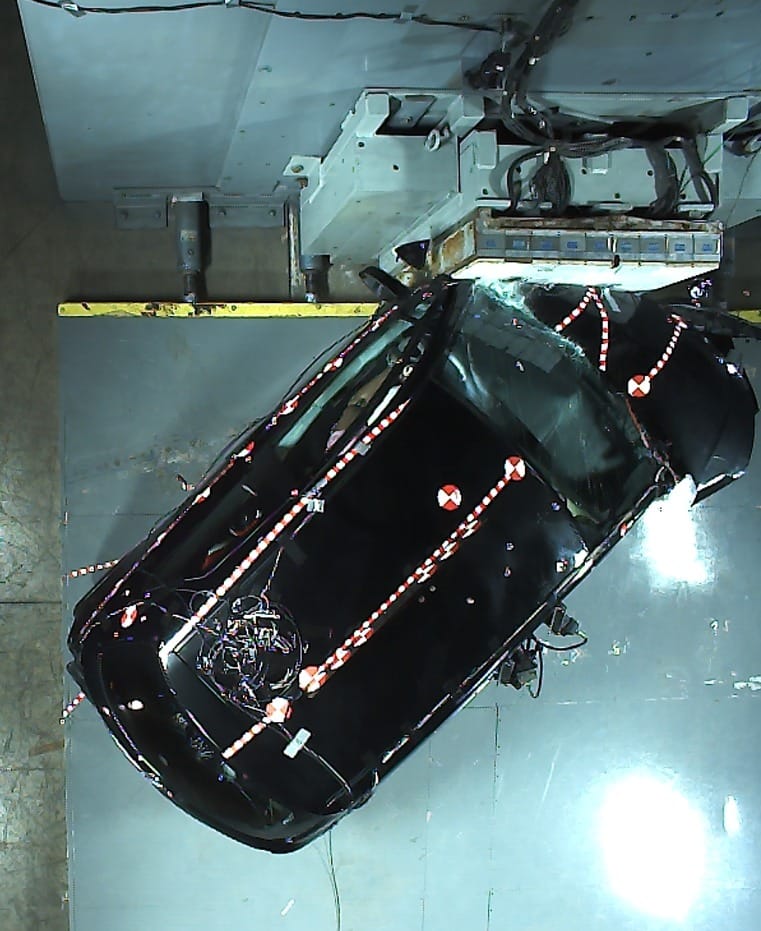
NHTSA begins side pole tests
3-point belts mandated in all rear seat positions
Stability control added to vehicle to reduce crash risk
Stability control required after 2012 on all new cars
Tire pressure monitoring systems become available - 2008
Roof crush standard upgraded - 2009
Active safety systems added to vehicles
Forward collision warning and brake assist
Blind spot warning and cross traffic alerts
Lane departure warning and lane-keep assist
Backup cameras required in all new vehicles 2018
Long range battery powered vehicles developed
FMVSS developed related to battery powered vehicle safety
Totally autonomous vehicles – self driving cars
Eliminate or reduce crashes
New crash test dummies begin implementation around the world
FMVSS 213 Child Restraint Standards updated